GeneralMedlinks Aesthetics
Effective Ways to Reduce Dark Spots on The Face
16 January, 2025




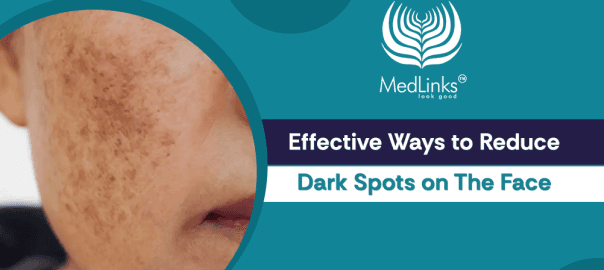


Dark spots develop when certain areas of the skin produce excess melanin—the pigment responsible for skin color. Melanin production naturally increases when the skin tries to protect itself from UV radiation, inflammation, or irritation. In some cases, hormones also trigger melasma, a form of hyperpigmentation common in women.
✔ Overexposure to sunlight
✔ Acne breakouts and post-acne scarring
✔ Hormonal imbalances or pregnancy
✔ Harsh chemical peels or skincare products
✔ Natural aging of the skin
Identifying the root cause is important before choosing any treatment, as each case may require a different approach.
Many people prefer natural remedies to reduce mild pigmentation. Although scientific evidence is limited, these options are generally safe and easy to try.
Lemon juice contains natural bleaching compounds that may lighten spots over time. Always dilute it and perform a patch test to avoid irritation.
Aloe vera contains aloin, a depigmenting agent that may gradually reduce pigmentation when applied daily.
Its acetic acid content can help minimize dark spots when used as a diluted toner.
Rich in antioxidants, green tea can soothe inflammation and improve uneven skin tone.
Note: Natural remedies require patience and consistent sunscreen use to prevent further pigmentation.
OTC products work better for those seeking quicker and more noticeable results. Look for formulations containing:
Inhibits melanin production but may cause irritation on sensitive skin.
Vitamin A derivatives that boost cell turnover, improve texture, and lighten dark spots. Sunscreen use is essential while using retinoids.
A strong antioxidant that brightens skin, fades pigmentation, and repairs UV damage.
A powerful skin-lightening agent. It is highly effective but generally requires supervision due to potential side effects.
These products may take weeks to months to show visible improvements, so commitment is key.
When DIY and OTC methods don’t give the desired results, dermatology-based treatments at MedLinks can offer quicker and more dramatic improvements. Consulting a specialist—such as the best dermatologist in Delhi—ensures safe and tailored results.
Peels containing glycolic or lactic acid remove dead skin cells and stimulate the growth of fresh, evenly toned skin.
A painless technique that exfoliates the top skin layer to reveal smoother, brighter skin underneath.
Laser sessions target areas of high pigmentation, breaking down excess melanin and reducing dark spots significantly.
Liquid nitrogen is applied to isolated pigmented spots to promote even skin regeneration.
The ideal option depends on:
Skin type
Cause of pigmentation
Severity of dark patches
Budget and expectations
Always inform your dermatologist about allergies, sensitivities, or previous treatments before beginning therapy.
A few lifestyle and skincare habits can reduce the chances of new dark spots forming:
Apply broad-spectrum sunscreen (SPF 30+) daily
Avoid popping or picking acne
Choose gentle skincare products without harsh chemicals
Drink plenty of water to support skin healing
If pigmentation remains stubborn despite home and OTC treatments, dermatologist intervention becomes necessary. Prescription retinoids, chemical peels, or laser therapies help boost cell turnover and clear pigmentation more effectively.
Some skincare ingredients may trigger irritation or worsen dark spots:
✖ Excess alcohol
✖ Artificial fragrances
✖ Low-quality bleaching agents
These can damage the skin barrier and increase sensitivity to sunlight. A professional should be consulted before trying unfamiliar products.
Hyperpigmentation doesn’t disappear overnight. The timeline varies based on treatment type, skin condition, and care routine. Consistency is crucial, and sun protection is non-negotiable to prevent recurrence.
Removing dark spots from the face involves a mix of prevention strategies, proven skincare ingredients, and when needed—professional treatments. If you are dealing with persistent hyperpigmentation, opting for dermatologist-guided dark spot treatment can deliver excellent, long-lasting improvements. Proper skincare habits and UV protection will further help maintain clear, glowing skin.
Dark spots form due to excess melanin triggered by sun exposure, hormonal fluctuations, acne, scarring, or skin trauma. Certain harsh products can also worsen pigmentation.
Natural and OTC treatments may take 3 weeks to 3 months. Professional treatments like lasers or peels usually work faster.
Ingredients like lemon juice, aloe vera, and green tea can help mildly lighten pigmentation, but effects are gradual and not permanent without proper skincare.
* Required fields. Your email will not be published. All comments are moderated before being published.

Comments
Loading comments...